Beds In Concentration Camps

Pin On Berlin Germany 1990 1992

Pin On Book 2 The Ruins

Pin En Extermination Camp

Pin On Dachau Concentration Camp

Pin On Desertman Photography

Pin On Dachau Concentration Camp

Maps German authorities under National Socialism established a variety of detention facilities to confine those whom they defined as political ideological or racial opponents of the regimeIn time their extensive camp system came to include concentration camps where persons were incarcerated without observation of the standard norms applying to arrest and custody.
Beds in concentration camps. Situated near Munich Dachau became a place of internment for German Jews Communists Socialists and liberals anyone whom the Reich considered its enemy. Here prisoners perform forced labour at the camp. During the advance of the 2nd Army the huge concentration camp at Belsen was relieved.
The more notorious concentration camps of the 20th century must serve as a stark reminder of the depravity of tearing children away from their parents and putting them in camps. We were in the highest pay bracket for people under 21 years five shillings and four pence. One of them commanded the prisoners camp usually after being specially trained for this duty.
Less than two weeks later Dachau the first Nazi concentration camp was opened. According to Ziawudun each cell was home to 14 women with bunk beds bars on the windows a basin and a hole-in-the-floor-style toilet. In the forced labor camps for instance the inmates usually worked 12 hours a day with hard physical work clothed in rags eating too little and always.
It functioned in this role throughout its existence even when beginning in 1942 it also became the largest of the extermination centers where the Endlösung der Judenfrage the final solution to the Jewish question - the Nazi plan to murder European Jews was. Witness After Witness Hundreds Reveal the Atrocities of Chinas Concentration Camps. Find professional Prison Camp videos and stock footage available for license in film television advertising and corporate uses.
The Xinjiang internment camps officially called vocational education and training centers Chinese. Human Rights Watch says that they have been used to indoctrinate Uyghurs and other. The camp established by the Nazis in 1937 was one of the first and the largest on German soil housing some 250000 prisoners between 1937.
Some 60000 civilians mostly suffering from typhus. In the brick blocks prisoners slept on straw strewn on the boards of the buks. Three-tier wooden beds or three-tier wooden bunks intended for 15 prisoners to sleep in were installed in the other stalls for a total capacity of more than 400 prisoners per barracks.

Pin On Auschwitz Ii Birkenau

Pin On Dachau Concentration Camp

Bunk Beds Outdoor Furniture Outdoor Decor Home Decor

Pin On Aimee Jaguar

Pin On Travel Germany

Pin Op Holocaust Let Us Never Forget

Pin On Theater

Pin On Poland Travel

Pin On Free Style Ideas
Pin On Russia Rossiya

Pin On Baltic Cruise

Gallery Of Kicking Horse Residence Bohlin Cywinski Jackson Association With Bohlin Grauman Miller Architects 10 Bunk Beds With Stairs Modern Bunk Beds Modern Cabin
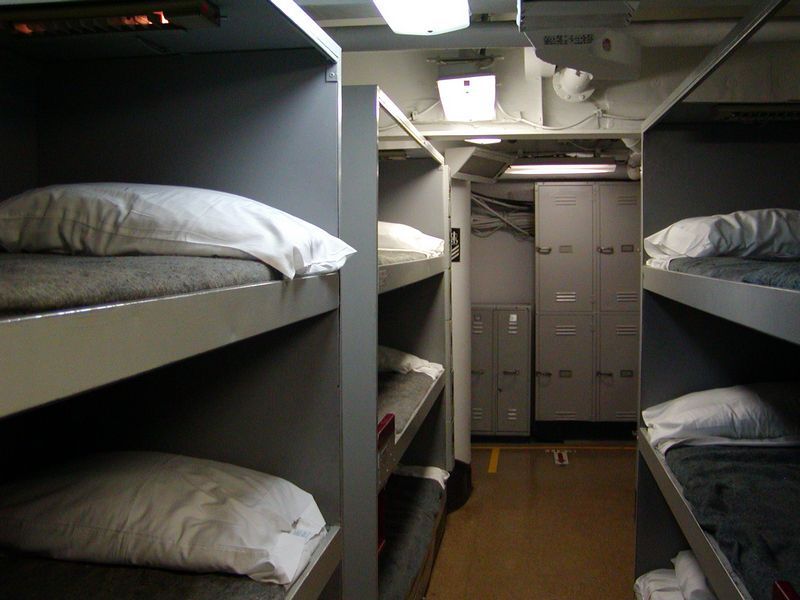
Pin On Ships Wwll Battleships

Pin On Germany Sachsenhausen World War Ii